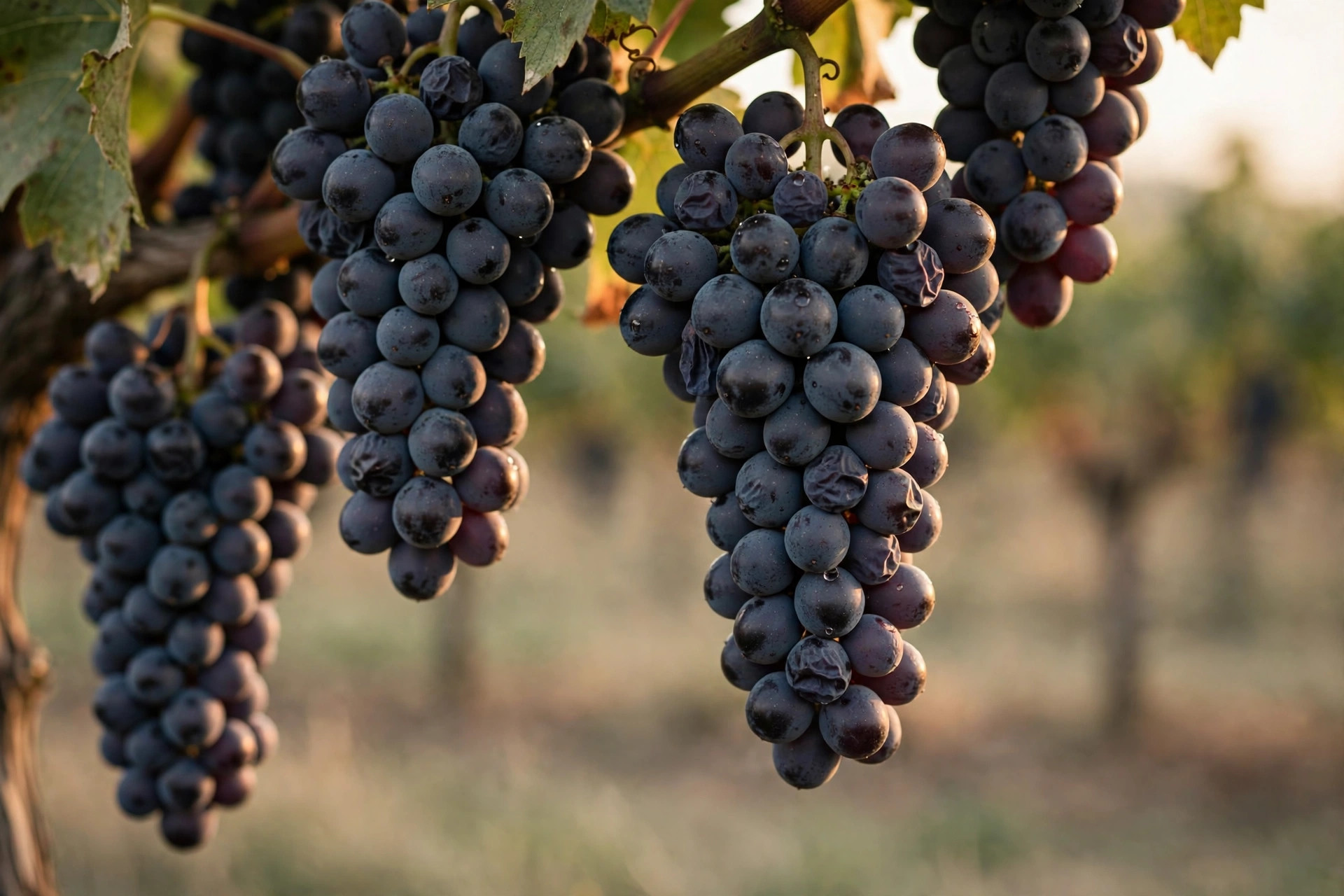
You don't need to know wine to love Napa Valley — but a little knowledge turns a pleasant tasting into a memorable one. Here's the essential curriculum, no snobbery.
The grapes that matter
- Cabernet Sauvignon — the king of Napa, full stop. Bold, structured, built to age. Most of the valley's prestige bottlings are cab or cab-led blends.
- Chardonnay — the valley's great white, ranging from crisp to richly oaked. The cooler southern end excels here.
- Merlot — softer than cabernet, often the backbone of the valley's great blends.
- Sauvignon Blanc — bright, fresh, the aperitif wine. Perfect for a warm afternoon.
- Pinot Noir — grown in the coolest pockets; elegant and finicky, a different animal from cab.
The terms, translated
- Tannin — the drying grip on your gums from red wine. More tannin = more structure, more aging potential.
- Acidity — the freshness, the mouthwatering quality. High acidity keeps rich wines lively.
- Finish — how long the flavor lingers after you swallow. Length is quality's quiet signature.
- Vintage — the year the grapes were grown. Weather varies; so does the wine.
How to taste
Look, swirl, smell, sip — in that order, and give the smell real attention; most of 'taste' is aroma. Take a small sip, let it coat your mouth, and notice the finish. Spit when you want to keep your palate sharp — the professionals all do.
What to say
You don't need poetry. 'I like wines with bright acidity' or 'I prefer softer tannins' tells a pourer everything they need to guide you. Curiosity beats vocabulary every time.
Curiosity beats vocabulary, every time.
Put it into practice: how tasting actually works — reservations, fees, and the unwritten rules.